
November 3, 2026 — No Comments

Electoral Pressure, Strategic Persistance: The Future of US Policy Towards Iran

By Federico Sergio - USA Team

When foreign policy becomes domestic politics

On 3 November, Americans vote in midterm elections that rarely turn on foreign affairs. This year may be an exemption. Given the US and Israel attack on Iran on 28 February, and President Trump’s statement about the end of the war ending “immediately after” the elections a question araises: has the conflict become a political liability, and can an election change how Washington fights it? The answer is subtler than “voters punish war”. The midterms will probably not decide whether the US keeps confronting Tehran but they could, however, change the political and institutional constraints under which the administration acts, a relationship Chatham House analysts have highlighted.

The strategic costs of the conflict

US, and consequently worldwide, costs are mainly military, economic and diplomatic. From a military perspective, the Pentagon estimated in September that the war had cost $43.6 billion so far, and Defense Secretary Hegseth is seeking roughly $80 billion more to replenish depleted stockpiles. Trump has also announced 9,000 additional troops for the region.

Coming to economic costs, energy is the central channel. About a fifth of the world’s oil normally passes through Hormuz, but September flows ran at roughly half the normal volume, and Brent futures are around $107 a barrel in mid-October. Tehran may view uncertainty surrounding the Strait's status as an important source of leverage. From this perspective, Iran could consider its survival and the securing of guarantees against future attacks as significant strategic achievements.

Moreover, a survey by the Chicago Council on Global Affairs found that 86 per cent of Americans believed the war with Iran had negatively affected the cost of living, while 68 per cent considered the conflict not worth the costs. Moreover, 72 per cent of Americans believe the war has damaged relations with allies.

The electoral dimension

Voters’ views of the war and their economic grievances are related but distinct. Only 2 per cent name Iran as the most important issue, possibly because US casualties have been relatively low. Yet, the aforementioned percentages show a clear stance on how the war is perceived with regard to the cost of living. Gasoline averaged about $4.33 a gallon in mid-October, against $2.98 before the war. Payne’s comment on this is neat: “the economy is foreign policy”.

Academic research points the same way. Studies of the Iraq War found that electoral damage tracked casualties and perceived success, while midterms outcomes have long followed presidential approval and economic conditions. With US casualties comparatively low, the economic channel is the more plausible route for Iran to matter at the ballot box. For Republicans, the pressure is real but not uniform. Democrats’ generic-ballot lead is trending towards double digits, and Republicans have privately conceded that the House is all but lost. Yet, the GOP’s mid-decade redistricting has left the median House district about 3.5 points redder than the county, and Speaker Mike Johnson insists Republicans can “absolutely” win even if the war continues.

There is also a limit on how much the White House can gain from de-escalation given majorities saying they would not view Trump’s party more favourably even if he ended the war before the vote. Voters, in other words, may already have priced in the damage.

What could a change in Congress mean?

A Democratic majority in either chamber would probably increase friction with the White House over Iran. The tools are oversight hearings, subpoenas, appropriations and legislations. The scholarship suggests Congress’s influence over war often works less through binding law than through hearings, public criticism and the political costs they impose on a president. 

Some constraint already exists. Congress has already demonstrated its willingness to challenge the administration's approach to Iran. A war powers resolution passed both chambers, with the Senate approving it by 50 votes to 48. However, its legal implications and enforceability remain disputed, highlighting the limitations of congressional efforts to constrain presidential military action. Historically, such resolutions have been vetoed or ignored by presidents of both parties, including Trump in 2019 and 2020, producing a veto-proof majority unlikely.

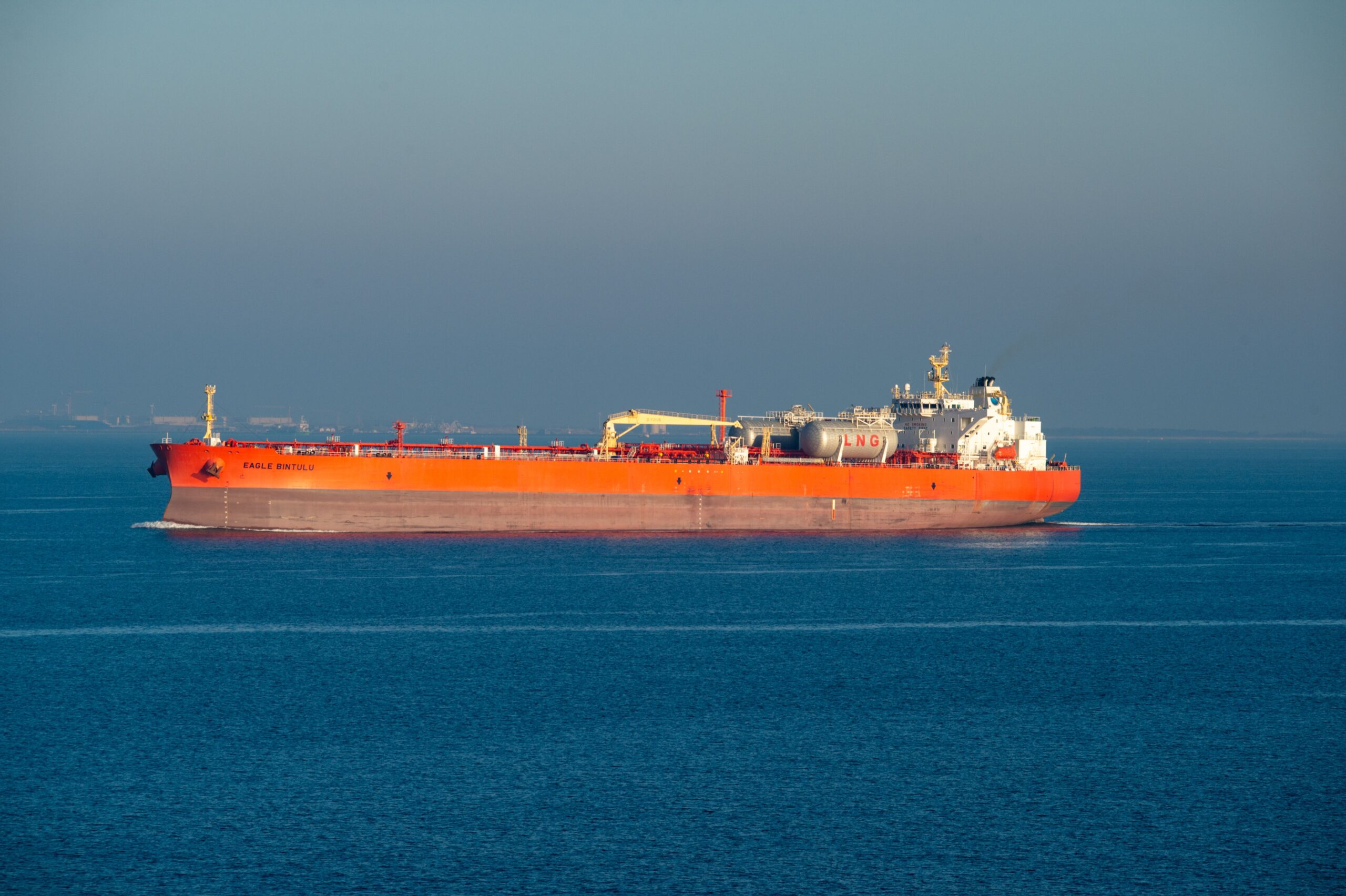
Photo by Edmond Dantès - pexels.com

In this situation, money is the more potent lever, as for example, the slow or conditioned of the $80 billion supplemental and wider defence budget by a Democratic House. But Democrats are not united. Some senators fear a supplemental vote would act as a “backdoor” authorisation, while the others, such as John Fetterman, support more spending. Because a supplemental needs 60 Senate votes, that split matters.

Sanctions and any eventual settlement add a further wrinkle. Constraint could come from both directions, with Republicans criticising a proposed $300 billion fund to rebuild Iran, warning that a poor deal could give congressional Republicans an opening to hit the president after a rout. So a Democratic victory could constrain the administration without automatically reversing its policy. Hearings can raise the political price of escalation, and funding fights can slow it meaning none of these force a withdrawal, cautioning that the factors that have blocked a deal remain in place after 3 November.

Conclusion

The sharper question is not whether the midterms end the war but how they change Washington’s room for manoeuvre. A weakened president faces more scrutiny, tighter budgets and less credibility when he threatens force or promises a deal. Allies and adversaries will read the results closely, and Tehran, which faces no comparable electoral test until 2028, may conclude that patience is a strategy.

Voters are unlikely to deliver a verdict on Iran itself, but they will deliver one on what the war costs them at the pump and at the checkouts. Whether that verdict reshapes US policy depends on what a new Congress chooses to do with it, and on whether a president who has said he doesn’t care about the midterms chooses to listen.


Sources

Al Jazeera (2026) ‘Trump’s Iran war now has a midterm election problem’, 10 September. Available at: https://www.aljazeera.com/news/2026/9/10/trumps-iran-war-now-has-a-midterm-election-problem

Payne, A. (2026) ‘Why the US midterms are a rare foreign policy election’, Chatham House, October. Available at: https://www.chathamhouse.org/2026/10/why-us-midterms-are-rare-foreign-policy-election.

Hurlburt, H. (2026) ‘US voters are angry. But on tariffs and war, the midterms won’t bring quick change’, Chatham House, 22 October. Available at: https://www.chathamhouse.org/2026/10/us-voters-are-angry-tariffs-and-war-midterms-wont-bring-quick-change

Associated Press (2026) ‘Senate for first time approves a war powers resolution in a rebuke to Trump over Iran conflict’, 23 June. Available at: https://lasvegassun.com/news/2026/jun/23/senate-for-first-time-approves-a-war-powers-resolu/

Political.org (2026) ‘Gas prices explained: the Iran war, the Strait of Hormuz and what you pay at the pump’. Available at: https://political.org/explained/gas-prices-iran-oil/

The National (2026) ‘US midterms: Iran war and cost of living put Trump’s foreign policy under pressure’, 20 October. Available at: https://www.thenationalnews.com/news/us/2026/10/20/us-midterms-iran-foreign-policy/

UNN (2026) ‘U.S. officials warn of rising oil and gasoline prices due to the closure of the Strait of Hormuz’. Available at: https://unn.ua/en/news/us-officials-warn-of-rising-oil-and-gasoline-prices-due-to-the-closure-of-the-strait-of-hormuz.

Gelpi, C., Feaver, P.D. and Reifler, J. (2005/06) ‘Success matters: casualty sensitivity and the war in Iraq’, International Security, 30(3), pp. 7–46.

Karol, D. and Miguel, E. (2007) ‘The electoral cost of war: Iraq casualties and the 2004 U.S. presidential election’, The Journal of Politics, 69(3), pp. 633–648.

Kriner, D.L. and Shen, F.X. (2007) ‘Iraq casualties and the 2006 Senate elections’, Legislative Studies Quarterly, 32(4), pp. 507–530.

Tufte, E.R. (1975) ‘Determinants of the outcomes of midterm congressional elections’, American Political Science Review, 69(3), pp. 812–826. Available at: https://www.cambridge.org/core/article/determinants-of-the-outcomes-of-midterm-congressional-elections/2D3701D5F63001FAAD7BF14394DCCAB8

Egypt Independent (2026) ‘Republicans are panicking about 2026’. Available at: https://www.egyptindependent.com/?p=2834988

Associated Press (2026) ‘Trump’s Iran war leaves Republicans adrift ahead of midterms’, via WTOP, April. Available at: https://wtop.com/national/2026/04/trump-offers-murky-path-forward-for-republicans-as-iran-war-clouds-midterm-elections/

Al Jazeera (2026) ‘Iran war: Top US lawmaker says Republicans can “absolutely” win midterms’, 23 August. Available at: https://www.aljazeera.com/news/2026/8/23/iran-war-top-us-lawmaker-says-republicans-can-absolutely-win-midterms

Howell, W.G. and Pevehouse, J.C. (2007) While Dangers Gather: Congressional Checks on Presidential War Powers. Princeton: Princeton University Press.

Kriner, D.L. (2010) After the Rubicon: Congress, Presidents, and the Politics of Waging War. Chicago: University of Chicago Press.

Scripps News (2026) ‘Senate passes war powers resolution to curb future US military action against Iran’. Available at: https://mynews4.com/news/nation-world/senate-passes-iran-war-powers-resolution-challenging-trump-military-actions

NOTUS (2026) ‘Senate Democrats are split over supplemental funding for the war in Iran’. Available at: https://www.notus.org/senate/senate-democrats-supplemental-funding-iran-war

Chatham House (2026) ‘Trump has an incentive to strike a deal with Iran, as midterms approach. But at what cost?’, 10 April. Available at: https://www.chathamhouse.org/2026/04/trump-has-incentive-strike-deal-iran-midterms-approach-what-cost
October 19, 2026 — No Comments

How the Iran Conflict Is Redrawing the Middle East’s Strategic Map

By Shahin Modarres, Will Kingston-Cox, Shir Mor, and Martina Ferraresi - Iran Team

Introduction 

When Iran closed the Strait of Hormuz in early 2026, it did not merely disrupt oil tankers - it detonated a geopolitical order that had been quietly reconstructing itself since the Abraham Accords. The closure of the world's most consequential maritime chokepoint has simultaneously exposed the fragility of the global energy and food system, handed Moscow a fiscal lifeline, and accelerated an unprecedented strategic realignment across the Middle East. The Iran War is not simply a bilateral conflict: it is a stress test of the entire post-Cold War regional architecture, and its aftershocks are reshaping alliances, economies, and threat perceptions from Riyadh to Rome.

This article first looks at why Tehran chose to close the Strait, then draws on three analytical perspectives - the economic shock radiating from the Strait itself, the geopolitical windfall accruing to Russia, and the accelerating strategic convergence between Israel and Persian Gulf states - to offer a composite assessment of the war's structural consequences. 

Tehran's Calculus: Why Close the Strait?

For decades, closing Hormuz was the threat Tehran kept in reserve. Iranian officials raised it during the sanctions crisis of 2011–12 and again in 2018, and in June 2025, after the American strikes on Fordow, the Majlis voted in favour of closure. The final decision was left to the Supreme National Security Council, and it was never taken. The reasons for holding back were obvious. Iran ships its own oil through the same waters, and China, its most important customer, depends on the Strait more than almost anyone. So why did the leadership decide in March 2026 that the price was now worth paying?

Part of the answer lies in how this war began. The US-Israeli strikes of 28 February went after nuclear sites, military facilities and the leadership itself, and killed Ali Khamenei. Seen from Tehran, this was no longer a limited exchange like the twelve-day war of June 2025. It was a campaign against the survival of the system, and in that situation the old arguments for restraint carry much less weight. Mona Yacoubian has observed that the Islamic Republic appears to treat this as its 'final war', and its behaviour fits: within six days it had struck targets in fourteen countries (Yacoubian, 2026). Iran cannot compete with American or Israeli air power. What it can do is choose where the costs of the war land, and Hormuz is the one place where it can make them land on almost everyone.

The closure is also a bargaining chip. Tehran has presented it as a response to American and Israeli attacks, one that will last as long as those attacks do. Daniel Byman argues that the Iranian leadership believes it can outlast Washington: for Tehran the conflict is existential, while most Americans would rather see it over and forgotten. A capability that had been discussed for years but never tested has become Iran's best lever for extracting concessions (Byman, 2026). The aim is to make the war expensive enough for importers, insurers and, in the end, American voters that the pressure for a ceasefire comes from outside, and Iran never has to be the one asking for it (Frantzman, 2026).

How the closure has been enforced says a good deal about its purpose. Iran has not tried to stop all traffic. In late March, Foreign Minister Abbas Araghchi put it bluntly: 'There is no reason to allow the enemy to pass through the strait.' Vessels linked to the United States, Israel and the Persian Gulf states involved in the war were turned away, while ships serving China, Russia, India, Iraq and Pakistan were allowed through (IANS, 2026). Tehran wants to punish Washington and its regional partners while keeping Beijing and New Delhi on side and some of its own revenue flowing. Whether that balance can hold is doubtful. As the sections below show, the same pressure is pushing Persian Gulf capitals closer to Israel, and every pipeline built around the Strait weakens the lever Tehran is now pulling. But the decision was a calculated one, taken by a leadership that believed it had very little left to lose.

The Strait of Hormuz: Anatomy of a Crisis

The Strait of Hormuz has long served as the circulatory system of the international energy order. Through this narrow corridor flows approximately 20% of the world's oil and 20% of globally traded liquefied natural gas. Saudi Arabia, Iran, Iraq, Kuwait, and the UAE together produce nearly a third of the world's oil output and hold almost half of global reserves, making Hormuz the indispensable shipping lane of the global commodity system (Exiger, 2026; Reuters, 2026).

Yet the most critical dimension of the Hormuz crisis is not oil or gas. One-third of the global seaborne fertiliser trade - essential for the nitrogen inputs that sustain global agriculture - also passes through the Strait. Persian Gulf states import up to 90% of their food through this corridor. The conflict has compounded this with a secondary supply shock: Iran has blocked food exports and is itself a primary supplier of fruit and vegetables to the UAE (NDTV, 2026; DW, 2026). Beyond food and energy, Qatar and Bahrain together supply nearly 10% of global aluminium. Iranian drones and missiles have directly targeted critical supply chain infrastructure - most notably the Ras Laffan facility in Qatar, which produces one-third of the global helium supply (Exiger, 2026). The macroeconomic toll is severe: the UAE faces a projected GDP contraction of 8–10% in 2026, while Saudi Arabia's GDP is expected to decline by 5% (Bloomberg, 2026).

Russia's Windfall: War by Proxy Benefit

The closure of the Strait of Hormuz has transformed the Iran War into a strategic windfall for Moscow - and Russia does not need to be directly involved to reap the benefits. Indeed, direct military involvement would stretch its already beleaguered capacity while it remains entrenched in its war of attrition against Ukraine. Nevertheless, the war is altering the structure of global energy markets decisively in the Kremlin's favour.

Since 2022, Russian oil has been subject to embargoes, sanctions, and price cap mechanisms designed to keep Russian barrels on the market - avoiding global shortages given Russia's commodity superpower status - while limiting Kremlin revenues. The Hormuz closure has fundamentally altered that calculus. The Strait carried around a quarter of all global seaborne oil trade in 2025, with China, India, Japan, and South Korea accounting for 74% of Hormuz crude and condensate flows in the first half of the year. When Persian Gulf supply is disrupted, buyers face stronger incentives to tolerate sanctions risk, higher freight costs, shadow fleet logistics, and compliance ambiguity in order to secure Russian oil.

Before the crisis, pressure on Russia was mounting. Chatham House noted that in February 2026 Russian oil and petroleum-product revenues had fallen to $9.5 billion - their lowest level since the full-scale invasion - while export volumes dropped to 6.6 million barrels per day. The Hormuz shock has reversed that squeeze entirely. CREA estimates that in April 2026, Russian fossil-fuel revenues rose to €733 million per day, the highest in two and a half years, despite a 7% fall in export volumes; crude revenues were 68% above February levels and 44% above April 2025, while sanctioned 'shadow' tankers carried a record 54% of exports. Price caps function most effectively under conditions of oversupply. In scarcity - a direct consequence of the Hormuz closure - discounts narrow, waivers become tempting, and elevated prices increase the revenues available to sustain Russia’s war effort.

The Abraham Accords Reborn: Strategic Convergence in the Persian Gulf

While the war extracts an enormous economic cost from Persian Gulf states, it has simultaneously accelerated unprecedented strategic cooperation between Israel and its Arab neighbours. Shared concerns over the Islamic Republic's regional ambitions, missile capabilities, and Iran-aligned armed groups and proxy networks have created new opportunities for political, military, and technological partnerships that would have been unimaginable a decade ago.

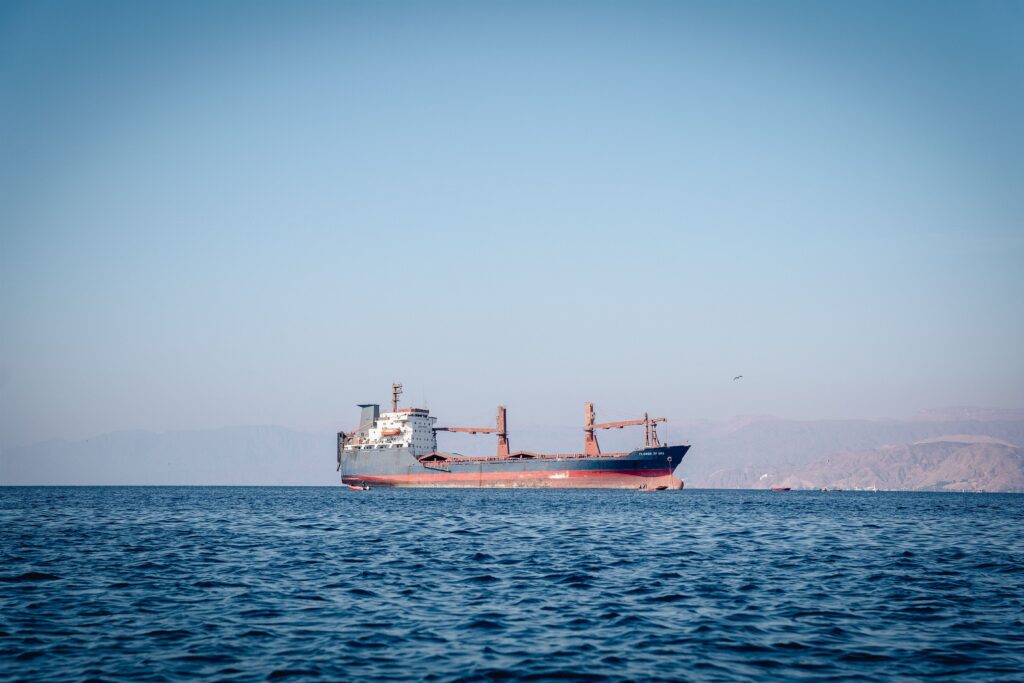
Photo by Hisham Zayadneh

The clearest illustration is the deepening partnership between Israel and the United Arab Emirates. During the war, reports revealed that Israel deployed Iron Dome systems and military personnel to the UAE to assist in defending Emirati territory from Iranian missile and drone attacks - a historic milestone in regional security cooperation that demonstrated the operational depth of trust now underpinning the Abraham Accords (Rosenberg, 2026). Bahrain and other Abraham Accords states have similarly strengthened cooperation with Israel in maritime security, intelligence sharing, and regional defense coordination. Bahrain's strategic location in the Persian Gulf and its close ties with the United States make it a pivotal partner in efforts to counter Iranian influence and protect regional stability.

In parallel, cooperation between Israel and Saudi Arabia appears to be deepening despite the absence of formal diplomatic normalisation. While Riyadh publicly maintains a cautious posture - conditioning normalisation on meaningful progress toward a Palestinian state - regional assessments point to growing quiet coordination in intelligence and security matters (Washington Institute, 2026; Khuzaie, 2026). Saudi leaders now perceive greater political risks in openly aligning with Israel, particularly given strong domestic support for the Palestinian cause. Yet the shared threat posed by Tehran continues to drive quiet convergence behind the scenes.

More broadly, the conflict has catalysed discussions across Persian Gulf states about integrated air-defence systems, joint intelligence-sharing mechanisms, and coordinated responses to missile and drone threats. Israel's advanced defence technologies, combined with Persian Gulf financial and logistical capabilities, are generating durable incentives for long-term security architecture. Crucially, the shared economic devastation wrought by the Hormuz closure appears to be reshaping regional threat perception: for many Persian Gulf states, Iran appears to have increasingly displaced Israel as the most immediate strategic security concern, opening the possibility of a meaningful expansion of the Abraham Accords framework.

Conclusion

The Iran War has exposed the degree to which geography, energy, and geopolitics remain inextricably intertwined. The closure of the Strait of Hormuz has simultaneously disrupted the global food and energy system, handed Russia a fiscal reprieve that Western sanctions were designed to foreclose, and compressed decades of cautious Arab-Israeli diplomatic evolution into months of operational military partnership. These are not isolated shocks - they are structurally connected consequences of a single chokepoint losing its freedom of navigation.

The emerging picture is a difficult paradox: the states bearing the greatest costs from the war, the UAE, Saudi Arabia, Bahrain, and their neighbours, are also the ones moving closer to Israel most rapidly. In that sense, the conflict appears to be accelerating a process that diplomacy had already set in motion. Some analysts argue that this wartime cooperation could lead to deeper regional integration, while others caution that many of the underlying political disputes remain unresolved. Whether these new partnerships prove durable will depend on how the conflict ends, the future of Palestinian statehood discussions, and whether the economic shock of 2026 leads to lasting institutional cooperation or simply a partnership of convenience. What is already clear, however, is that the regional order that existed before the closure of the Strait of Hormuz is unlikely to return unchanged.